
The Thrill of Chance
The allure of casinos is deeply rooted in the excitement and unpredictability they offer, drawing millions of individuals who crave the thrill of risking their money for a chance at big wins. The experience of placing a bet, hearing the clatter of chips, and anticipating the spin of a roulette wheel creates an adrenaline rush that is often unmatched in everyday life, especially at a payid casino where the stakes feel even higher. This exhilarating atmosphere allows players to escape their mundane routines, as every spin or card dealt represents a potential adventure where fortunes can change in an instant.
Moreover, the casino environment is meticulously designed to enhance this sense of exhilaration. Bright lights, vibrant colors, and the sounds of cheers and celebrations create a sensory overload that captivates visitors and distracts them from the harsh realities of odds and statistics. The ambiance is intentionally crafted to immerse patrons in a world of fantasy and excitement, making it easy to forget that the house always has an edge. For many, this setting transforms gambling into an engaging experience, where the thrill of winning momentarily overshadows the risk of losing.
Additionally, the psychological factors at play are significant. The hope of hitting a jackpot ignites a sense of optimism that many find hard to resist. This phenomenon, often termed the “gambler’s fallacy,” leads individuals to believe they can outsmart the system, convinced that their luck will turn in their favor. This intoxicating mix of hope, excitement, and the unpredictability of outcomes fosters a continuous cycle of engagement, compelling players to return to the casino floor time and time again, even when they know that the odds are not in their favor.
Social Interaction and Community
Casinos serve as vibrant social hubs where individuals gather to unwind and connect, making the gambling experience more appealing. For many, the act of gambling is not solely about winning money; it is also about the shared experiences that come with it. The collective excitement of a winning hand or the groans of disappointment after a loss can forge connections among strangers, creating an atmosphere of camaraderie that is hard to replicate elsewhere. This social aspect is particularly appealing to those who may feel isolated or are looking for a sense of belonging.
In addition to fostering new relationships, casinos often host various social events, poker tournaments, and themed nights that encourage player interaction. These opportunities allow patrons to engage with one another, transcending solitary gaming and fostering a sense of community. Many players look forward to celebrating wins together or offering support during losses, transforming the casino floor into a lively space filled with shared memories and collective experiences, which enhances the overall appeal of returning.
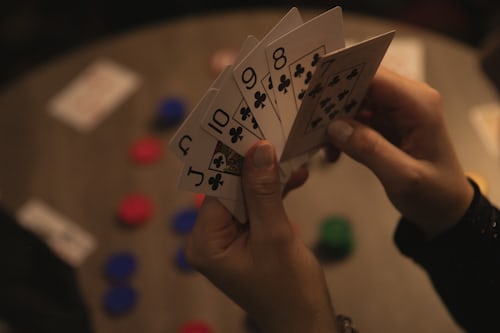
Furthermore, the formation of traditions around casino visits can strengthen bonds among friends and family. For instance, groups may establish regular outings to a casino during special occasions or holidays, turning casual visits into cherished rituals. This not only reinforces friendships but also fosters a sense of nostalgia and warmth, encouraging individuals to return to casinos not only for the games but also for the relationships and memories built over time.
The Influence of Marketing and Promotions
The casino industry employs sophisticated marketing strategies designed to attract and retain players, making gambling more enticing. Promotions, loyalty programs, and attractive bonuses are crafted to entice individuals to explore gaming options they might not otherwise consider. These offers often give players the illusion of getting more for their money, even when the statistical reality is less favorable. The clever use of marketing creates an environment where players feel they are gaining an advantage, even while the house maintains its edge.
Moreover, casinos utilize sensory marketing to engage visitors fully, crafting an immersive experience that encourages prolonged stays. Complimentary drinks, delectable dining options, and entertainment acts keep players engaged and spending. By creating an environment that blurs the line between gambling and a comprehensive entertainment experience, casinos effectively draw patrons back, making it difficult for them to resist the allure of “just one more game” as they try to maximize their entertainment value.
The integration of technology also enhances the appeal of casinos. Many establishments now offer mobile apps and online platforms that connect players to both virtual and in-person experiences, allowing for interactive gaming that can happen anytime and anywhere. By adapting to modern trends and the preferences of younger generations, casinos create an ecosystem where the enjoyment of the experience takes precedence over the odds, making gambling feel more accessible and engaging than ever before.
Psychological Rewards and Escapism
The psychological factors influencing why people flock to casinos are substantial, with many viewing gambling as a form of escapism. Life’s daily challenges can be overwhelming, and for some, stepping into a casino provides an immediate getaway from stress and anxiety. The thrill of the game allows players to momentarily forget their troubles, creating a sense of relief that can be both enjoyable and addictive. This temporary escape can be particularly appealing during challenging times, making the casino a refuge where problems seem to fade into the background.
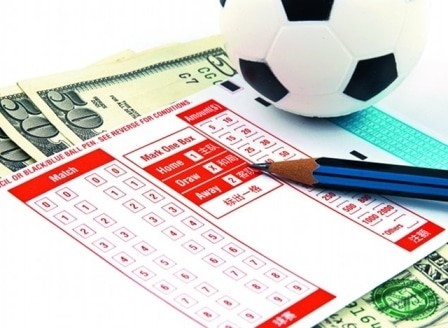
In addition to providing a brief respite from daily life, the potential for significant financial windfalls can ignite feelings of hope and possibility. Many players are drawn in by the notion that they can dramatically alter their circumstances with a single lucky bet. This tantalizing notion transforms the gaming experience into a thrilling adventure, and the potential for success becomes a powerful motivator, prompting players to try their luck repeatedly, even in the face of inevitable losses.
The emotions tied to gambling can create a compelling feedback loop that reinforces the desire to return to casinos. Each win, regardless of its size, triggers the release of dopamine, a neurotransmitter associated with pleasure and reward, leaving players eager for more. This biochemical response can cloud rational judgment, making it easy to overlook the stark reality of losing. The thrill of chasing the next high becomes an addictive cycle, leading individuals to disregard the very real financial risks involved in their gambling pursuits.
Exploring the Dynamics of Casinos: A Comprehensive Resource
Understanding why so many individuals are drawn to casinos despite the odds requires a nuanced examination of the myriad factors at play. The thrill of chance, the allure of social interaction, and the powerful influence of marketing contribute to an environment where risk feels manageable and rewards seem attainable. Additionally, the escapism that gambling offers can serve as a potent draw, providing an enticing temporary solution to life’s challenges.
In a world filled with uncertainty, casinos provide a unique blend of excitement, community, and the tantalizing potential for significant rewards. Although players may be aware of the odds, the intoxicating mix of possibility and the desire for social connection often override rational decision-making. This combination creates an irresistible atmosphere where the thrill of gambling continues to attract individuals from diverse backgrounds and walks of life.
For those interested in delving deeper into the captivating world of casinos, our website offers a wealth of resources designed to enhance understanding of the intricacies of gambling, strategies for playing wisely, and insights into the broader industry. Whether you’re a seasoned player or a curious newcomer, we provide valuable information that illuminates the dynamics of gambling and the myriad experiences it offers. Join us as we explore this fascinating realm and the myriad reasons that draw people to it time and time again.